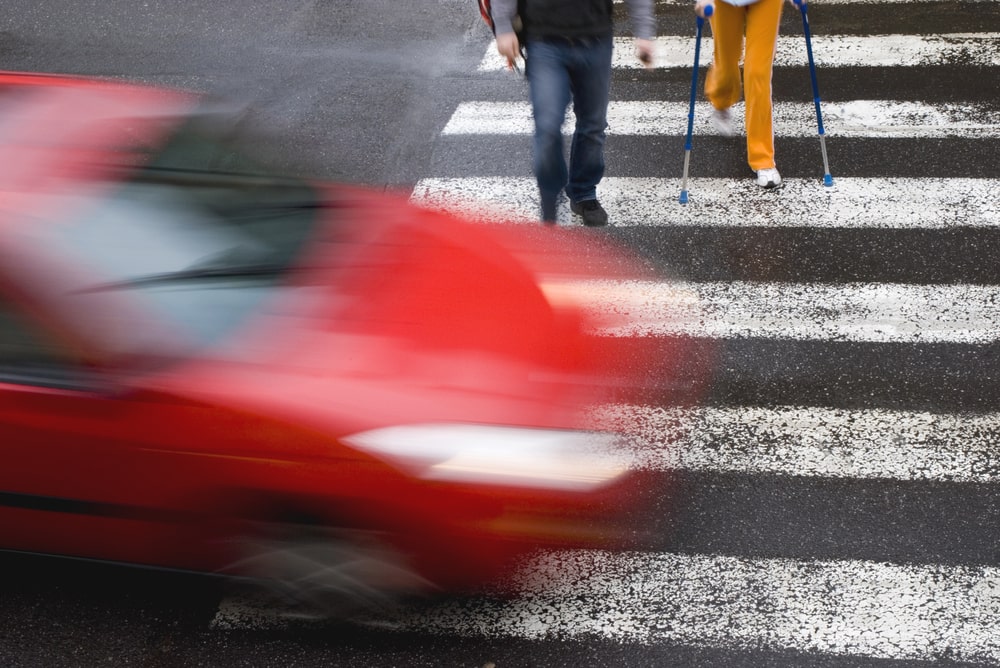
Does a Pedestrian Always Legally Have the Right of Way in Missouri?
Missouri law grants pedestrians the right of way at every intersection in the state and city, whether or not the crosswalk is marked with painted lines on the pavement itself at that exact spot. A Maryland Heights pedestrian accident lawyer explains that an unmarked crosswalk still legally exists at intersections, extending across the road wherever a sidewalk or shoulder would logically continue on the other side of the street.
What Counts as an Unmarked Crosswalk?
Missouri law defines an unmarked crosswalk as the specific area formed when a sidewalk or road shoulder is imagined to extend straight across the roadway to the other side, an area at least six feet wide under the applicable state statute governing traffic control at every marked or unmarked intersection. Common and well-documented rules that apply once a pedestrian enters this space include:
- Drivers must wait until the pedestrian clears their entire lane and gets safely across before proceeding through the intersection at all
- Drivers turning at a signal must stop until the pedestrian clears that lane plus six feet of the next lane over as well
- Drivers may not block a crosswalk while stopped at a red light or stop sign, forcing pedestrians to walk around a vehicle
- Drivers must remain stopped for pedestrians walking on a sidewalk when entering or exiting a driveway, alley, or private road
These rules apply regardless of whether the crosswalk itself has any visible painted road markings at all, a detail many drivers involved in these accidents do not realize until after a collision has already occurred at the intersection.
How Much Space Must a Driver Give a Pedestrian?
Missouri law requires a driver passing near a pedestrian to maintain a safe speed and leave no less than three feet of clearance until safely past the person on foot. A Maryland Heights pedestrian accident lawyer points to this specific distance requirement when a driver’s own account downplays how closely they passed before the collision occurred at the scene.
Does Missouri Reduce My Recovery if I Was Jaywalking?
Missouri’s pure comparative fault system, established in the 1983 landmark case Gustafson v. Benda, allows an injured pedestrian to recover damages even if found mostly responsible for the underlying accident itself, including situations involving jaywalking outside a marked crosswalk area. Any recovery simply gets reduced by the pedestrian’s own percentage of assigned fault rather than eliminated, a meaningful distinction from states that cut off recovery once fault crosses a certain statutory threshold percentage.
What Evidence Matters Most in a Pedestrian Accident Case?
Surveillance footage from nearby businesses, witness statements, and the responding officer’s crash report typically carry real weight in establishing whether a driver failed to yield or maintain the required clearance from the pedestrian. Vehicle data recorders, often called black boxes, can also reveal a driver’s exact speed and braking behavior in the seconds before impact, information that often contradicts a driver’s own after-the-fact account of how the crash unfolded.
How Long Do I Have to File a Pedestrian Accident Claim?
Missouri generally applies a five-year statute of limitations to personal injury claims arising from a pedestrian accident, a notably longer window than many neighboring states allow. Missing this deadline typically bars the claim, regardless of how obviously the driver’s conduct caused the underlying collision or how severe the resulting injuries turned out to be.
Where Can I Get Help After a Pedestrian Accident in Maryland Heights?
Understanding Missouri’s crosswalk and right-of-way rules helps a pedestrian push back firmly against unfair blame after a serious accident caused by a distracted or careless driver behind the wheel. Pioletti Pioletti & Nichols has represented many Maryland Heights area pedestrians in claims involving failure to yield and unsafe passing distances across the region. If you were recently and seriously hurt as a pedestrian, whether inside a marked crosswalk or crossing at an intersection without any painted lines, reach out to discuss your options.