Missouri holds a dog owner strictly liable when a dog bites a person without provocation. Prior bites are not an element of the claim. The same statute also sets rules for shared fault and for other remedies.
The statute makes the owner or possessor strictly liable
RSMo section 273.036 makes the owner or possessor of a dog strictly liable for the damages of a person the dog bites without provocation. The person must be on public property or lawfully on private property. The owner’s own property counts.
Strict liability means the injured person does not have to prove that the owner was careless. The statute applies regardless of the former viciousness of the dog, so what the owner knew about the dog’s past behavior does not matter.
A person bitten on a neighbor’s porch or in a public park can talk through where and how the bite happened with a St. Louis dog bite lawyer while the details are fresh. A written note made the same day records the time and the setting.
Provocation and lawful presence are the factual questions
Two factual questions follow from the text. The first is whether the bite happened without provocation. The second is whether the person was lawfully where the bite happened. The statute does not define provocation, so the facts of the encounter fill in its meaning.
A delivery worker, a guest, or a utility technician who is bitten on private property raises the lawful-presence question directly. A person bitten in that setting can discuss how they came to be on the property with a St. Louis premises liability lawyer soon after the incident.
Shared fault reduces the damages
If the injured person was also at fault, the damages are reduced by that person’s percentage of fault in the incident. Facts about what the injured person did before the bite feed that percentage.
Homeowner’s coverage is one source of payment, and dog bite compensation can also come from the owner’s personal assets when insurance is missing or too low. Early records of the injury matter when coverage is in question.
The statute’s remedies are in addition to any other remedy provided by statute or by court-made law. A claim can therefore rest on more than one legal theory.
Evidence of the bite and the dog
Photographs of the wounds should be taken before treatment changes them and again as healing continues. Medical records document each visit, and each follow-up appointment adds to the record.
Medical care comes first, and the steps to take after a dog bite start there before any other records are gathered. Reports to animal control add a dated record of the incident.
A cyclist knocked from a bike by a loose dog faces the same strict-liability question. A cyclist bitten while riding can talk over the crash with a St. Louis bicycle accident lawyer while the bike is still unrepaired.
Injuries beyond the bite itself
A bite can be only part of the harm. Scarring, time away from work, and fear of dogs afterward all belong in the record alongside the medical bills.
A person bitten while walking along a sidewalk can sort out how the encounter began with a St. Louis pedestrian accident lawyer. Where the dog was and whether it was leashed are the first facts to record.
Dog-attack victims are among the people Zachary A. Pashea has represented, and he practices alongside our other attorneys at Pioletti Pioletti & Nichols. Receipts for medication and bandages belong in the file as well.
Evidence that fixes the facts of the bite
Items worth saving after a bite include:
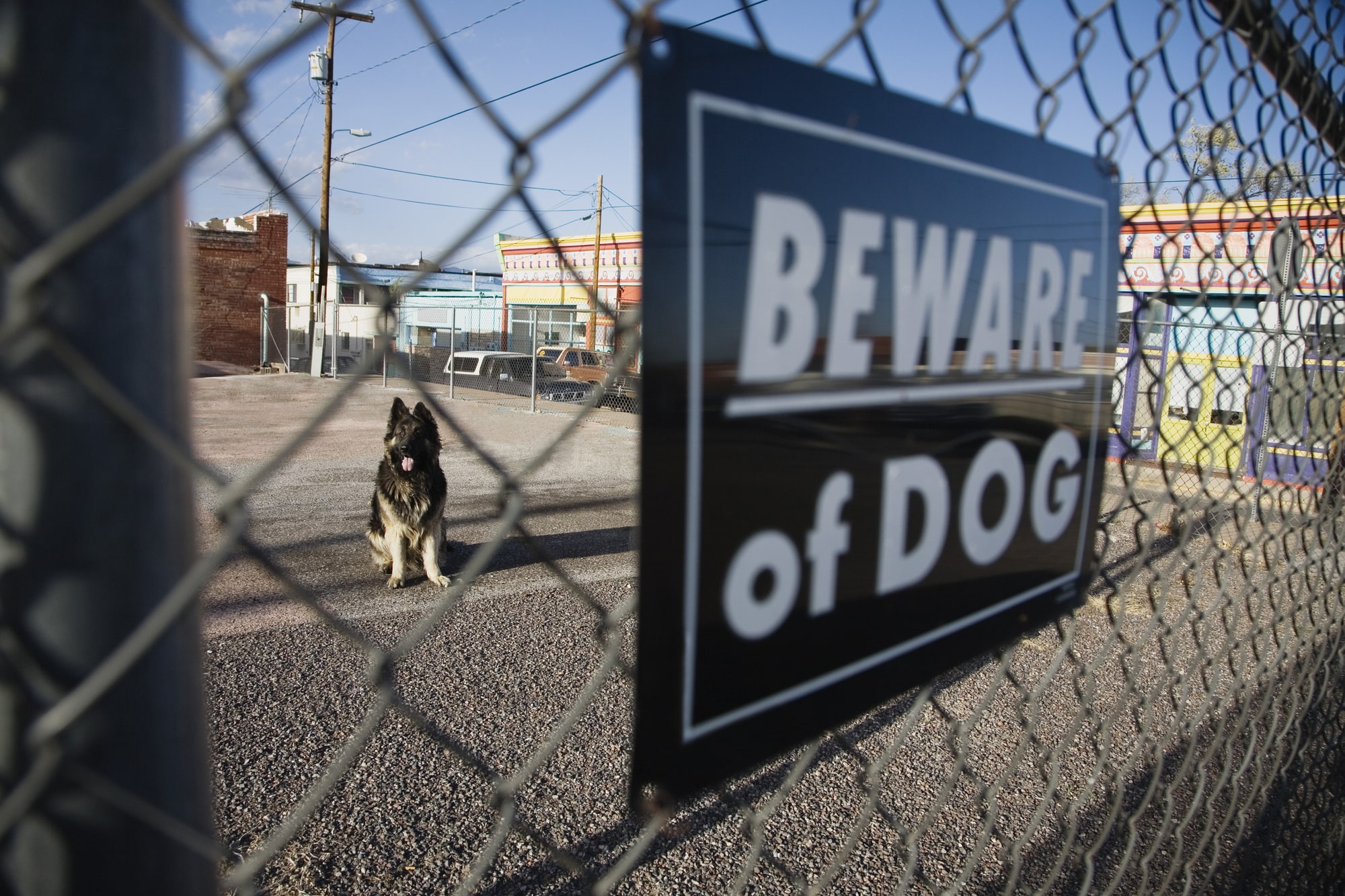
- A description of the dog and of any fence, leash, or warning sign at the property.
- The owner’s name and any information about the dog’s vaccination records.
- The names of anyone who saw the bite, written down soon after the incident.
These items record the facts the statute turns on. The strict-liability rule applies to the facts of each bite, so an injured person may get in touch with a St. Louis dog bite lawyer about how it fits.