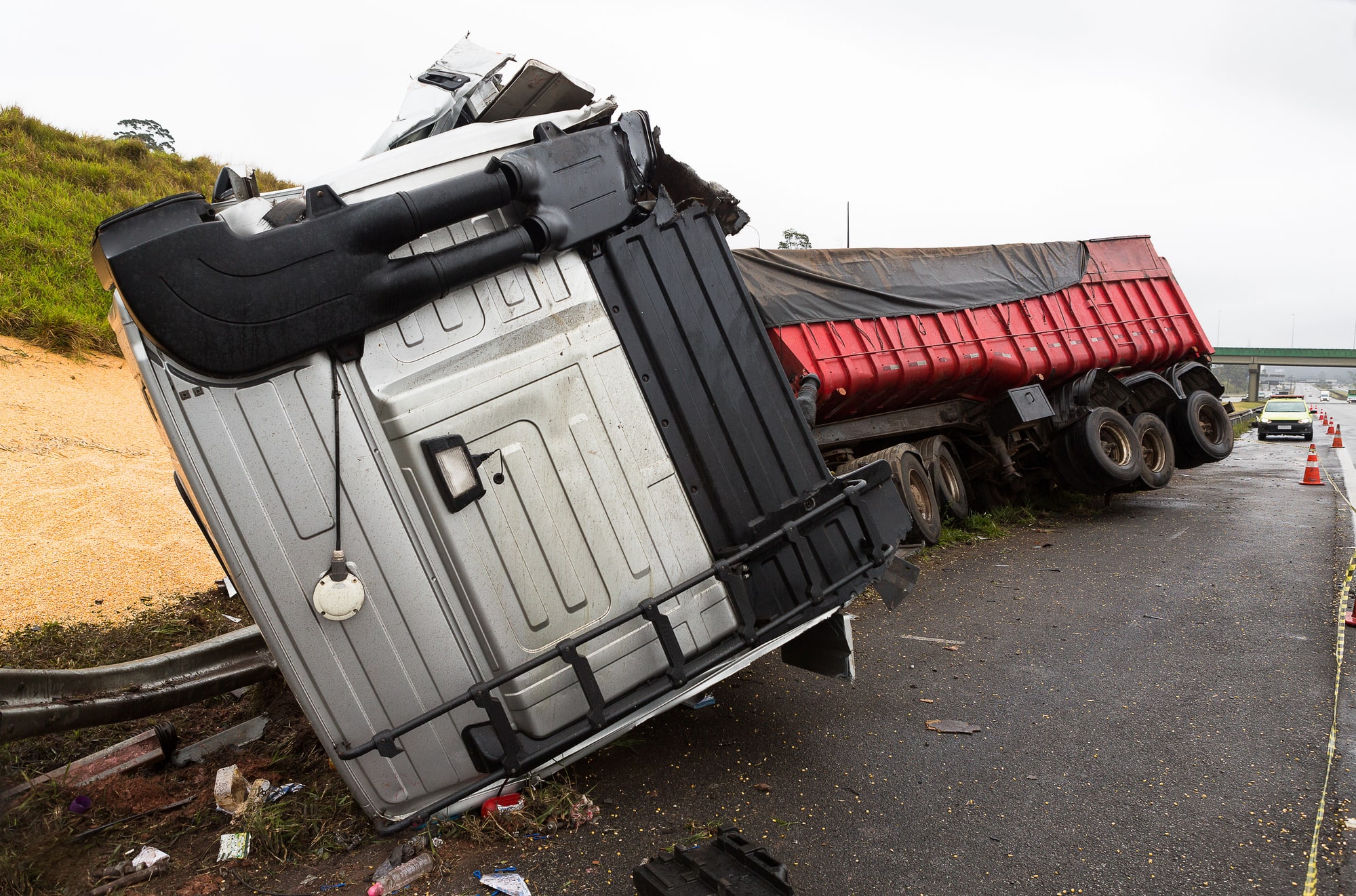
Most people think of truck accidents as driver error situations. Sometimes that’s accurate. But a significant number of commercial truck crashes on Missouri roads have nothing to do with what the driver did behind the wheel. They’re the result of what happened hours earlier, when the cargo was loaded.
Improperly loaded or secured cargo changes how a truck handles. It shifts weight in ways that affect braking and steering. It can cause rollovers on curves that a properly loaded truck would navigate without difficulty. And when cargo breaks free entirely, it becomes a direct hazard to every other vehicle on the road.
Federal Loading Requirements Exist for a Reason
Commercial carriers and cargo loaders don’t get to decide for themselves how to secure a load. The Federal Motor Carrier Safety Administration sets detailed cargo securement standards that govern how different types of cargo must be loaded, blocked, braced, and tied down.
The Federal Motor Carrier Safety Administration maintains specific securement requirements for general freight, lumber, metal coils, vehicles, heavy machinery, and dozens of other cargo categories. These aren’t suggestions. They’re legally enforceable standards, and violating them creates liability exposure when an accident results.
Drivers are also required to inspect cargo before departure and at regular intervals during a trip. A driver who knew or should have known about a loading problem and kept driving anyway shares responsibility for what happens next.
How Cargo Problems Cause Crashes
Cargo loading errors can cause accidents in several distinct ways, and understanding the mechanics matters for establishing liability.
Shifting cargo changes a truck’s center of gravity, making it unstable in ways that aren’t always apparent until a driver takes a curve or makes an evasive maneuver. An overloaded truck requires significantly more distance to stop, which is a critical factor in rear-end collisions and intersection crashes. Improperly distributed weight can cause axle overload, leading to tire failures or brake system stress that contributes to a mechanical failure during the trip.
And then there’s spilled cargo. Debris that falls from a truck and lands in traffic creates immediate danger for vehicles that can’t avoid it in time.
Pioletti Pioletti & Nichols represents Missouri truck accident victims, including those injured by crashes caused by improperly loaded or secured cargo, helping clients pursue every available avenue for compensation.
Who Bears Legal Responsibility
This is where cargo loading cases get genuinely complex. Responsibility can extend well beyond the truck driver, and identifying every liable party is essential to pursuing full compensation.
The carrier who operated the truck carries responsibility for ensuring cargo was properly loaded and secured before departure. But the shipper or third-party loading company that actually loaded the cargo may bear independent liability for their own negligence in the loading process. When the two are different entities, both may face claims.
Some situations that affect how liability gets assigned:
- If the carrier’s own employees loaded the cargo, the carrier bears primary responsibility for the loading failure
- If a third-party logistics company or shipper loaded the cargo, they may face direct negligence claims
- If the driver failed to inspect the cargo as required and a problem that should have been detected caused the crash, the driver and carrier share responsibility for that failure
- If the cargo itself was defective in a way that made proper securement impossible, the manufacturer may face a product liability claim
Evidence That Matters in Cargo Loading Cases
Building a strong cargo loading liability case requires evidence that might not be available for long. Cargo manifests and loading records document what was supposed to be loaded and how. Weight tickets and inspection records reveal whether loads met legal requirements. Photographs of the crash scene, including debris patterns and vehicle damage, help establish how the cargo failure contributed to the accident.
Black box data showing the truck’s speed, braking, and handling in the moments before the crash can also be critical in demonstrating how cargo instability affected the driver’s ability to control the vehicle.
Act Before Evidence Disappears
Cargo loading records, shipping manifests, and loading company documentation don’t stay available forever. Carriers and shippers have legal hold and retention schedules that may not align with your interests as an injured victim. Getting legal representation in place quickly after a cargo-related truck accident gives your attorney the tools to send preservation notices and secure records before they’re gone.
If you were injured in a Missouri truck accident and believe improper cargo loading played a role, the St. Louis truck accident lawyer team at Pioletti Pioletti & Nichols can investigate what happened and help you hold every responsible party accountable for the full scope of your damages.